MUSIC / MAP

2010

SECTION 01 / 04 · CULTURAL CANON

Original-2010 records whose musical achievement met a conspicuous public or scene-level cultural moment.

Lane 01 / 04 · Cultural Canon

01 / 38 · CULTURAL CANON
Cover artwork for Body Talk

Body Talk

Robyn
Why it matters

Robyn knows that a dancefloor can be the loneliest place in the room. On Body Talk, hard-edged synthesizers carry extraordinarily clear feelings: jealousy, generosity, defiance and the determination to keep moving. Its pop directness is a triumph, not a concession, even if this assembled album contains a few less essential detours.

Open in Apple Music ↗
02 / 38 · CULTURAL CANON
Cover artwork for The ArchAndroid

The ArchAndroid

Janelle Monáe
Why it matters

Janelle Monáe's android saga succeeds because the songs are more thrilling than the premise. Her voice can snap into funk-band command, break into wounded urgency or float through an intimate ballad, all on the same sprawling record. The spectacle is huge, but an unusually expressive human presence holds it together.

Open in Apple Music ↗
03 / 38 · CULTURAL CANON
Cover artwork for My Beautiful Dark Twisted Fantasy

My Beautiful Dark Twisted Fantasy

Kanye West
Why it matters

Kanye West makes a record of almost absurd musical scale, then repeatedly lets insecurity puncture the pageantry. Towering beats, choruses, guest verses and extended codas would be empty extravagance without the songs beneath them. Here they give rap, pop and soul a run of startlingly distinct climaxes, even when the self-mythology grates.

Open in Apple Music ↗
04 / 38 · CULTURAL CANON
Cover artwork for This Is Happening

This Is Happening

LCD Soundsystem
Why it matters

James Murphy can turn a long dance groove into a confession without stopping anyone moving. This Is Happening finds comedy, embarrassment, romantic need and bodily release inside patient electronic repetition. Its strongest songs arrive like entire nights unfolding; even when the references are obvious, the loneliness and exhilaration feel unmistakably human.

Open in Apple Music ↗
05 / 38 · CULTURAL CANON
Cover artwork for Cosmogramma

Cosmogramma

Flying Lotus
Why it matters

Cosmogramma is a breathtakingly animated universe of jazz, hip-hop beats, strings and digital fragments. Flying Lotus makes abrupt changes feel like movement through a living place, with bass lines and rhythms constantly revealing new paths. It dazzles not simply through invention, but through the physical pleasure of getting lost inside.

Open in Apple Music ↗
06 / 38 · CULTURAL CANON
Cover artwork for Sir Lucious Left Foot: The Son of Chico Dusty

Sir Lucious Left Foot: The Son of Chico Dusty

Big Boi
Why it matters

Big Boi's solo album is a feast of elastic rapping and constantly changing grooves. His conversational flow skips through funk bass, brass blasts and futuristic beatwork with seemingly effortless command. Under all the swagger sits an astonishing number of fully formed, exuberant songs worth returning to.

Open in Apple Music ↗
07 / 38 · CULTURAL CANON
Cover artwork for The Age of Adz

The Age of Adz

Sufjan Stevens
Why it matters

Sufjan Stevens replaces his familiar delicate scenery with bursting electronics, horns and bass, but keeps the wounded human voice at the centre. The Age of Adz can be crowded and alarming; its astonishing reward is how intimate confession eventually becomes a huge, joyous invitation to sing together.

Open in Apple Music ↗
08 / 38 · CULTURAL CANON
Cover artwork for Halcyon Digest

Halcyon Digest

Deerhunter
Why it matters

Halcyon Digest makes memory sound both inviting and impossible to hold. Deerhunter move between intimate, oddly faded songs and enormous melodic releases, finding joy and grief in the same guitar shimmer. Its long crescendos turn a collection of fragile impressions into a beautifully affecting album journey.

Open in Apple Music ↗
09 / 38 · CULTURAL CANON
Cover artwork for Plastic Beach

Plastic Beach

Gorillaz
Why it matters

Plastic Beach turns an island of discarded things into a surprisingly inviting pop holiday: bright synthetic surfaces, comic cameos and songs of real loneliness. Its finest moments keep changing shape, from elastic funk to hushed melancholy. The crowded guest list sometimes interrupts the journey, but rarely exhausts its pleasures.

Open in Apple Music ↗
10 / 38 · CULTURAL CANON
Cover artwork for Flockaveli

Flockaveli

Waka Flocka Flame
Why it matters

Flockaveli is rap engineered for collective impact: Waka's hoarse calls, shouted replies and chest-thumping drums hit like the sound of a whole room joining in. The relentless force of “Hard in da Paint” and “Grove St. Party” matters more here than intricate verbal display.

Open in Apple Music ↗
11 / 38 · CULTURAL CANON
Cover artwork for Have One on Me

Have One on Me

Joanna Newsom
Why it matters

A nearly two-hour album sounds forbidding until Joanna Newsom's stories start making room for you. Harp, piano and a more supple singing voice carry affection, pride, separation and regret through unusually generous songs. Rather than saving its best moments for the beginning, Have One on Me keeps revealing emotional peaks across three discs.

Open in Apple Music ↗
01 · CULTURAL CANON11 RECORDS

Lane 02 / 04 · Taste-Maker Accessible

12 / 38 · TASTE-MAKER ACCESSIBLE
Cover artwork for Teen Dream

Teen Dream

Beach House
Why it matters

Teen Dream turns a soft-focus sound into ten immense, aching songs. Victoria Legrand's voice and Alex Scally's luminous guitar make longing feel both sheltered and exposed, with choruses that keep opening wider. Its emotional force accumulates patiently, then finds extraordinary tenderness in the final stretch.

Open in Apple Music ↗
13 / 38 · TASTE-MAKER ACCESSIBLE
Cover artwork for Swim

Swim

Caribou
Why it matters

Swim makes electronic dance music feel flooded with private feeling. Dan Snaith's liquid percussion, elastic bass and half-submerged singing turn “Odessa” into something simultaneously exhilarating and uneasy. The beauty is not just in the first rush: later tracks carry the pulse toward grief and release.

Open in Apple Music ↗
14 / 38 · TASTE-MAKER ACCESSIBLE
Cover artwork for Own Side Now

Own Side Now

Caitlin Rose
Why it matters

Caitlin Rose's debut is a rare abundance of country-pop songs that reveal more character with each turn. Her clear, unforced singing makes regret, defiance and affection feel close, while pedal steel and bright band arrangements keep the melodies moving. It charms without having to hide its bruises.

Open in Apple Music ↗
15 / 38 · TASTE-MAKER ACCESSIBLE
Cover artwork for Treats

Treats

Sleigh Bells
Why it matters

Treats blasts cheerleader chants, guitar riffs and pop hooks through a deliberately blown-out speaker cone. Sleigh Bells make distortion feel giddy rather than forbidding, then surprise with the gentler sway of “Rill Rill.” Its short, explosive shape makes the sheer excess part of the fun.

Open in Apple Music ↗
16 / 38 · TASTE-MAKER ACCESSIBLE
Cover artwork for Mena

Mena

Javiera Mena
Why it matters

These Chilean synth-pop songs make yearning feel gloriously danceable. Javiera Mena rarely needs to push her voice: the directness of her melodies sits beautifully against shining strings, programmed beats and restless disco movement. Nine songs give the record enough room for tenderness and elation without burying either under concept or display.

Open in Apple Music ↗
17 / 38 · TASTE-MAKER ACCESSIBLE
Cover artwork for Subiza

Subiza

Delorean
Why it matters

Subiza catches the rush of dancing with people you love and somehow preserves its private ache. Delorean pile buoyant piano, cut-up voices and surging beats into songs that feel weightless without being empty. Across nine tracks, euphoric repetition becomes a surprisingly tender language of connection.

Open in Apple Music ↗
18 / 38 · TASTE-MAKER ACCESSIBLE
Cover artwork for Heartland

Heartland

Owen Pallett
Why it matters

Owen Pallett's orchestral fantasies are full of someone very human trying to sing through them. Violin runs, strings, drums and electronic details follow a fictional character's revolt against his maker, but the dramatic reward lives in the exposed melodies. Heartland is grand and sometimes fussy, yet unexpectedly touching at its centre.

Open in Apple Music ↗
02 · TASTE-MAKER ACCESSIBLE7 RECORDS

Lane 03 / 04 · Serious Listener Canon

19 / 38 · SERIOUS LISTENER CANON
Cover artwork for Hadestown

Hadestown

Anaïs Mitchell
Why it matters

Before the stage phenomenon, Hadestown was already an arresting studio folk opera. Anaïs Mitchell's songs make an old myth startlingly human, gathering blues, gospel and country sounds around an expressive cast of voices. The drama matters because the melodies, arguments and heartbreak work so powerfully as music.

Open in Apple Music ↗
20 / 38 · SERIOUS LISTENER CANON
Cover artwork for Ali and Toumani

Ali and Toumani

Ali Farka Touré & Toumani Diabaté
Why it matters

A guitar and a kora seem to finish each other's thoughts on this exquisitely patient Malian collaboration. Ali Farka Touré and Toumani Diabaté favour tiny rhythmic shifts over showmanship, revealing the pleasure of two remarkable players responding to each other. The quietness makes every answer feel personal.

Open in Apple Music ↗
21 / 38 · SERIOUS LISTENER CANON
Cover artwork for Vinnaithaandi Varuvaayaa

Vinnaithaandi Varuvaayaa

A. R. Rahman and singers
Why it matters

Seven songs, several languages and a remarkable range of yearning: A. R. Rahman's Tamil soundtrack stands beautifully on its own. Wedding exuberance, intimate guitar lines and searching voices keep changing the emotional weather. Its melodies invite affection long after the film's story has faded from view.

Open in Apple Music ↗
22 / 38 · SERIOUS LISTENER CANON
Cover artwork for Genuine Negro Jig

Genuine Negro Jig

Carolina Chocolate Drops
Why it matters

Fiddle, banjo, jug and three vividly different voices make Genuine Negro Jig burst with life. Carolina Chocolate Drops reconnect Black string-band music with the present through irresistible playing, humour and sudden sorrow. This is not valuable merely as cultural recovery: its rhythms and performances are exhilarating in their own right.

Open in Apple Music ↗
23 / 38 · SERIOUS LISTENER CANON
Cover artwork for Airtight's Revenge

Airtight's Revenge

Bilal
Why it matters

Bilal sings as though every feeling might change shape mid-phrase. On Airtight's Revenge, jazz-rooted soul, restless funk and guitar-driven urgency serve an unusually fearless vocal performance. Tenderness and anguish arrive together; even the record's darker passages carry the thrill of hearing a remarkable singer take risks.

Open in Apple Music ↗
24 / 38 · SERIOUS LISTENER CANON
Cover artwork for This Brings Us To, Vol. II

This Brings Us To, Vol. II

Henry Threadgill Zooid
Why it matters

This jazz quintet makes complicated music feel like a set of living conversations. Threadgill's saxophone and flute, twisting guitar, brass and restless rhythm section tug at one another without losing the pleasure of playing together. Across five pieces, the music gathers surprising warmth and physical momentum, not merely intellectual intrigue.

Open in Apple Music ↗
25 / 38 · SERIOUS LISTENER CANON
Cover artwork for kikUUiki

kikUUiki

Sakanaction
Why it matters

Sakanaction turn the restless sounds of city life into remarkably melodic guitar-and-synth pop. Dubwise space, club propulsion and Ichiro Yamaguchi's searching voice never crowd out the songs: the pulse of “アルクアラウンド” eventually gives way to the sweeping emotional arrival of “目が明く藍色.”

Open in Apple Music ↗
26 / 38 · SERIOUS LISTENER CANON
Cover artwork for Hedonism

Hedonism

Bellowhead
Why it matters

Hedonism is a boisterous English folk celebration with an astonishing sense of movement. Brass, strings, percussion and voices make old songs feel crowded with new possibilities, yet the band knows when to turn theatrical frenzy into hush. Its great pleasure is hearing so many musicians play as one unruly organism.

Open in Apple Music ↗
27 / 38 · SERIOUS LISTENER CANON
Cover artwork for Timbuktu Tarab

Timbuktu Tarab

Khaira Arby
Why it matters

Khaira Arby sings as if the whole band must answer her. Interlocking Malian guitars, ngoni, fiddle and chorus rise to meet a voice capable of fierce declaration and remarkable tenderness. Timbuktu Tarab has the thrilling density of people making music together, with enough shifts in tune and rhythm to sustain its heat.

Open in Apple Music ↗
28 / 38 · SERIOUS LISTENER CANON
Cover artwork for Antifogmatic

Antifogmatic

Punch Brothers
Why it matters

Five acoustic players make Antifogmatic surge with the scale of an electric band while preserving every fiddle, mandolin and banjo detail. The strange vulnerability of “You Are” and exuberant lift of “Rye Whiskey” prove that virtuosity here is most thrilling when it becomes an emotional event.

Open in Apple Music ↗
03 · SERIOUS LISTENER CANON10 RECORDS

Lane 04 / 04 · Cult / Frontier

29 / 38 · CULT / FRONTIER
Cover artwork for Crooks & Lovers

Crooks & Lovers

Mount Kimbie
Why it matters

Mount Kimbie build a tiny, welcoming electronic world from scraps of voice, soft pulses and sounds that seem borrowed from ordinary rooms. Crooks & Lovers avoids the obvious grand drop; its melodies arrive in curious, intimate shapes. At thirty-six minutes, the sequence makes its small scale feel like an advantage rather than an apology.

Open in Apple Music ↗
30 / 38 · CULT / FRONTIER
Cover artwork for Public Strain

Public Strain

Women
Why it matters

On Public Strain, distorted guitars hang like bad weather until a melody suddenly comes into focus. Women make unease strangely companionable: the fractured motion of “Drag Open” and spectral beauty of “Venice Lockjaw” prepare the way for “Eyesore,” a closing release of extraordinary warmth.

Open in Apple Music ↗
31 / 38 · CULT / FRONTIER
Cover artwork for The Monitor

The Monitor

Titus Andronicus
Why it matters

The Monitor turns battered punk songs into enormous communal singalongs without sanding away the bruises. Patrick Stickles sounds desperate, funny and defiant as guitars, horns and gang voices climb toward release. Its Civil War imagery is memorable; the deeper appeal is how fiercely the music makes loneliness feel shared.

Open in Apple Music ↗
32 / 38 · CULT / FRONTIER
Cover artwork for Undeniable

Undeniable

Terror Danjah
Why it matters

On Undeniable, Terror Danjah makes grime instrumentals behave like vivid, unpredictable songs. Jagged bass pressure gives way to soulful hooks, stripped-back tension and strange bursts of colour. The long “S.O.S.” is a particular thrill, gradually loosening an abrasive pulse into something unexpectedly danceable and fluid.

Open in Apple Music ↗
33 / 38 · CULT / FRONTIER
Cover artwork for El Juidero

El Juidero

Rita Indiana y Los Misterios
Why it matters

El Juidero is a Dominican dance record with teeth: merengue propulsion, rock abrasion and Rita Indiana's unmistakably theatrical delivery carry stories of fear, migration and pleasure. Its rhythms are irresistibly sociable without smoothing away the unease beneath them. The songs keep finding fresh ways to be funny, furious and moving.

Open in Apple Music ↗
34 / 38 · CULT / FRONTIER
Cover artwork for Kvelertak

Kvelertak

Kvelertak
Why it matters

Kvelertak make extreme metal feel like an unruly roomful of people discovering a great rock riff together. Three guitars pile black-metal abrasion onto punk drive and hard-rock hooks, but the excitement comes from those instantly graspable shapes. The original Norwegian eleven-track debut is relentless without relying entirely on speed.

Open in Apple Music ↗
35 / 38 · CULT / FRONTIER
Cover artwork for Écailles de Lune

Écailles de Lune

Alcest
Why it matters

Écailles de Lune lets enormous guitars and fragile singing inhabit the same dream. Alcest's two-part title piece rises from yearning into a storm; “Percées de Lumière” makes the heavier surges glow with melody. The closing clean-voiced “Sur l'océan couleur de fer” supplies a tender, necessary homecoming.

Open in Apple Music ↗
36 / 38 · CULT / FRONTIER
Cover artwork for Nuestra

Nuestra

La Vida Bohème
Why it matters

Caracas band La Vida Bohème make Nuestra sound like an invitation to run, dance and shout together. “Radio Capital” and “Cigarro” carry irrepressible guitar momentum; “Flamingo” reveals an unexpectedly open-hearted melodic centre. Its excitement comes from the changing songs and collective performance, not a claim to invent rock.

Open in Apple Music ↗
37 / 38 · CULT / FRONTIER
Cover artwork for Babylon Nightmare

Babylon Nightmare

Jahdan Blakkamoore
Why it matters

Jahdan Blakkamoore's voice is the real shape-shifter here: one moment stern and rhythmically pointed, the next soaring with unguarded melody. Babylon Nightmare moves between roots reggae, dancehall and hip-hop without abandoning the singer at its centre. Spacious roots pulses and sharper electronic edges give his melodies room to stretch and surprise.

Open in Apple Music ↗
38 / 38 · CULT / FRONTIER
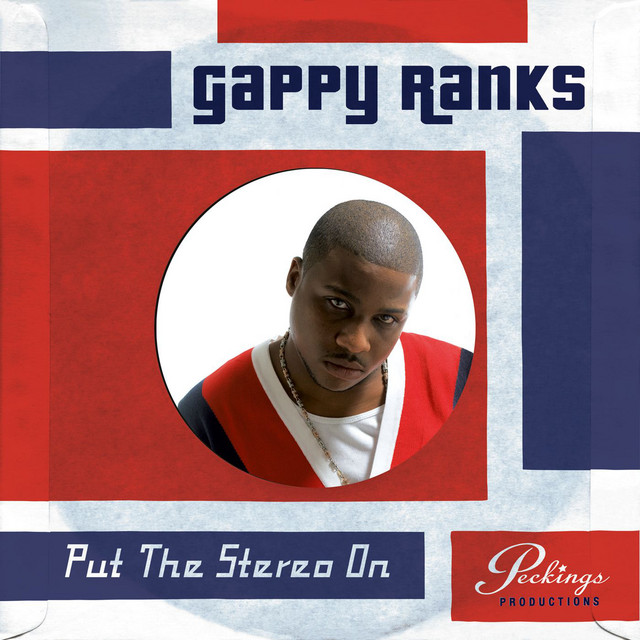
Cover artwork for Put the Stereo On

Put the Stereo On

Gappy Ranks
Why it matters

Gappy Ranks sings across classic reggae grooves with a warmth that makes familiar rhythms feel newly inviting. “Mountain Top,” “Heaven in Her Eyes” and the title song overflow with melody, while later cuts keep revealing his gift for intimacy. The record's charm resides in a living voice, not retro decoration.

Listen on Spotify ↗Not verified on Apple Music
04 · CULT / FRONTIER10 RECORDS
2022
THE PLAYER · EMPTY

The cultural landscape · why 2010 sounded like this

2010 sounds like a year discovering how many different kinds of bigness an album could hold. Big could mean a vast shared pop production or ten people leaning into a folk tune. It could be Kanye West turning celebrity, humiliation and maximal production into a near-operatic spectacle; Janelle Monáe building a suite-like world out of funk, soul, orchestration and science fiction; or Robyn condensing three bursts of new music into a single, heartbreaking, immensely sociable dance-pop record. None of these approaches guaranteed a great complete album. But they show how the album could still feel like an event in a culture increasingly organised around individual tracks.

The loud public year — and the separate album year

In Britain, the singles year was propelled by Eminem and Rihanna's “Love the Way You Lie”, Bruno Mars's “Just the Way You Are”, Rihanna's “Only Girl (In the World)”, Usher's “OMG” and Tinie Tempah's “Pass Out”. The Official Charts Company's 2010 end-of-year singles table is a more reliable indicator of British day-to-day public exposure than any indie-album list (Official Charts, 2010 year-end singles). A contemporaneous September Music Week industry preview tracks Magnetic Man bringing a formerly specialist bass lineage into high-chart, major-label view. UK dance culture did not suddenly begin with this crossover: dubstep and grime already had histories, practitioners and audiences. The crossover was a shift in visibility, not the birth of the form.

Pop's broader theatrical reach also matters. Katy Perry's Teenage Dream, Lady Gaga's continuing late-2009 The Fame Monster campaign, Rihanna's Loud, and the rise of televised song circulation through Glee were major parts of how the year was actually encountered. Some of these are not in the frozen 55-record album field; an older original work does not become a 2010 album just because its songs stayed ubiquitous. Equally, a popular 2010 record does not receive a Chief must-hear admission merely for being inescapable.

The album critics' year looked different. The Guardian's list voted by its writers in December 2010 began with Monáe and Kanye and also strongly represented Caribou, Robyn, Beach House, Sleigh Bells, LCD Soundsystem, Anaïs Mitchell and others. Pitchfork's contemporary top-50 assessment gave Kanye's My Beautiful Dark Twisted Fantasy the top position while attending to very different kinds of records. Its reader poll, published 2 January 2011, put Arcade Fire's The Suburbs above Kanye, and also placed Beach House, Deerhunter, Sufjan Stevens and Joanna Newsom prominently. These are informative competing pictures of 2010 taste, not independent evidence that every listed work belongs in the frozen V3 selection. Neither the public singles chart nor any one critic poll is the admission rule.

A golden moment for the elastic, full-length pop imagination

The standout tension is between instant gratification and structures that ask to be lived in. Body Talk made heartbreak move through an almost impossibly efficient run of hooks; contemporary Resident Advisor coverage of the November assembly makes the original fifteen-track release distinct from its earlier parts. Plastic Beach offered a cast of guests within an imagined environmental landscape, with variety and excess both part of its identity. The ArchAndroid used suites and characters to move from straight-up physical pleasure to strange narrative theatre. This Is Happening trusted repetition, tension and release; Have One on Me stretched storytelling to the other extreme, into patient, long-form song cycles. Teen Dream found force through cumulative, often quiet emotional repetition. The Age of Adz converted anxiety and ornate digital production into a dramatic new scale for an established songwriter.

Hip-hop wasn't a single conversation. Kanye's opulent self-examination coexisted with Big Boi's deep Southern musical playfulness and the overwhelming group-energy and Lex Luger production on Waka Flocka Flame's Flockaveli. Flockaveli helps explain a future musical vocabulary, but its case as an entire 2010 listening experience also has to stand on the record itself, not only its influence. At the other edge of electronic music, Flying Lotus's Cosmogramma, Caribou's Swim, Mount Kimbie's Crooks & Lovers and Terror Danjah's Undeniable traced a spectrum from jazz-inflected beat mosaics to bodily dance music, delicate post-dubstep constructions and grime's intricately engineered instrumental language. They shouldn't be collapsed into a generic “electronic trend”: the pleasures and communities are strikingly different.

Worlds that the Anglophone album-list camera could miss

The year was bigger than American indie taste. A. R. Rahman's Tamil Vinnaithaandi Varuvaayaa used film music as a powerful complete song sequence rather than a peripheral category. Anaïs Mitchell's Hadestown was a studio album in 2010, not the later cast-album identity. Ali Farka Touré and Toumani Diabaté's Ali and Toumani, recorded earlier but first issued in 2010, offered a radically different form of musical intensity: close-responsive guitar and kora. Khaira Arby's Timbuktu Tarab placed arresting Malian singing in the foreground. Carolina Chocolate Drops and Bellowhead showed two very different futures for string-band and folk ensemble playing, each rooted in performance rather than curatorial heritage credentials.

Across languages and scenes, Javiera Mena's Chilean synth-pop, Rita Indiana y Los Misterios' Dominican cross-rhythm inventions, and La Vida Bohème's urgent Venezuelan rock enlarged the picture. Nuestra had already been publicly offered as a complete twelve-track album in Venezuela in February 2010, before a later 2011 North American distribution date; the contemporaneous Venezuelan album review, 11 February 2010 is important evidence. Sakanaction's Japanese kikUUiki was issued in March 2010 as a standard twelve-track Victor programme, distinct from a limited first-press bonus: the label's standard edition establishes the work without assuming that a later region's catalogue controls its year. Kvelertak's Norwegian debut blended metal, hardcore and exuberant rock into a compelling 2010 album before a 2011 bonus-expanded US edition; contemporary June 2010 reporting identifies its original eleven. Other regional and local distribution trails need similar checking before an artwork or store listing can stand in for a first edition.

Distribution made musical history harder to date

Industry data explain the competing calendars. A later RIAJ historical table sourced from IFPI records worldwide digital sales value increasing from about US$4.4 billion in 2009 to US$4.7 billion in 2010 while physical sales value fell from US$11.9 billion to US$10.5 billion. This is a later compilation of historical industry data, not an eyewitness account of how a particular artist released an album. The recorded music year sat between physical territorial editions, legal downloads, early streaming and local circulation. A 2011 UK/US availability date may reflect licensing rather than the first complete work; a 2010 digital listing can likewise hide an expanded edition. The exact musical programme is the unit of Music Map year ownership.

The 2011 Grammy Album of the Year victory for Arcade Fire's The Suburbs is an illuminating afterlife of a 2010 album, not something that happened in calendar 2010. Its prestige is a useful gauge of how the era's indie music crossed into general visibility, but hindsight must not rewrite the original-year rule.

A way into 2010, not a retrospective awards ceremony

Music Map's 38 frozen must-hears and 17 reserves are not a chart of who “won” 2010. The Cultural Landscape makes room for unavoidable hits, critically celebrated records outside the frozen field, intimate specialist traditions and the regional routes by which music actually travelled. The four existing record shelves are a temporary way to browse approved must-hears, not four music-value tiers. The 17 reserves are genuine listening opportunities rather than failed audition tapes. Keeping these distinctions clear lets the year remain abundant, culturally legible and musically surprising without using popularity, a critic list, or a later reissue to decide admission.

Source and dating notes

The contemporary British public/industry references are Official Charts' 2010 calendar singles chart and Music Week's September 2010 preview. The principal critic sources are The Guardian's December 2010 poll, Pitchfork's December 2010 top fifty and its January 2011 reader poll (explicitly retrospective). Resident Advisor's Body Talk reporting is dated October 2010; Victor's label edition page and contemporary Venezuelan/Norwegian reporting anchor specific regional 2010 original works. RIAJ's retrospective IFPI table and the 2011 Grammy result are labelled retrospective evidence. Editorial album selections come solely from the frozen Chief PR #113, not the historical Music Map V1 report.

↵ Nothing to open · ↑ ↓ move · > actions · # lanes