In 2024, songs became slogans, dances, political memes and comeback stories. At the same time, listeners argued for complete records: the movement between tracks, the material beyond the hits and the worlds an album could sustain. These were overlapping, equally compelling stories, not competing measures of worth.
Charli xcx's BRAT crossed from club-pop into brat summer, fashion and US election imagery. The original June album, however, has a musical argument of its own, with dancefloor bravado unsettled by envy and insecurity; October's remix project is a different release. Chappell Roan had a similarly unavoidable 2024 breakthrough, including a UK chart-topping album and 'Good Luck, Babe!', but The Rise and Fall of a Midwest Princess first appeared on 22 September 2023. Its 2024 ascent belongs in this landscape, not on a second year's album shelf.
Sabrina Carpenter's 'Espresso' and 'Please Please Please' ruled the summer; 'Taste' arrived on 23 August, alongside Short n’ Sweet, and extended her chart run into autumn. Critics disagreed about the original twelve-song album beyond its hits. Billie Eilish's HIT ME HARD AND SOFT offered another pop model: ten connected songs whose shifts and callbacks attracted both praise and structural criticism. Taylor Swift's The Tortured Poets Department was a major release event, but its original sixteen-song album and same-day 31-song Anthology are distinct listening propositions.
Beyoncé's COWBOY CARTER prompted discussion of Black country history and genre gatekeeping; Shaboozey's 'A Bar Song (Tipsy)' became a major country-pop crossover. Those cultural and chart facts matter independently of any verdict about either complete album. In rap, the Kendrick Lamar–Drake feud was a public spectacle, but Kendrick's May standalone 'Not Like Us' did not appear on November's original twelve-track GNX. Meanwhile, Doechii's original nineteen-track August mixtape Alligator Bites Never Heal divided close album listeners over its variety and middle stretch; Vince Staples' Dark Times rewarded a quieter, song-by-song critical conversation.
Guitar music offered several routes rather than one 2024 sound. Fontaines D.C.'s Romance widened the band's textures, while English Teacher's This Could Be Texas won the 2024 Mercury Prize and remains a serious non-selected album competitor. Waxahatchee's twelve-track Tigers Blood and Vampire Weekend's Only God Was Above Us offered different kinds of patient songcraft; Beth Gibbons' Lives Outgrown and Nilüfer Yanya's My Method Actor stretched familiar songwriter and guitar conventions through unusual arrangements.
Electronic and cross-border listening cultures were just as varied. Club-pop existed alongside Jlin's Akoma, with its demanding percussion and guest interplay, and Nala Sinephro's jazz/electronic Endlessness. Rema's HEIS, an eleven-track, roughly 27-minute afrorave statement, drew praise from Resident Advisor's Akili and substantive objections to repetition and lyric-writing from Nigeria-based critics. That is an instructive disagreement, not a Nigerian consensus or an excuse to treat a non-selected album as insignificant.
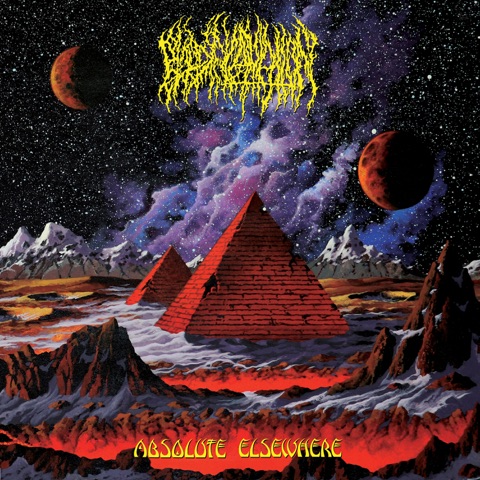
Other complete-record arguments crossed the same year: Magdalena Bay's Imaginal Disk joined surreal concept-pop to memorable hooks; Cindy Lee's Diamond Jubilee circulated as a March download whose 32 songs inspired devotion and objections to its length. Mabe Fratti's Sentir que no sabes reshaped cello-led music around voice and band; Mdou Moctar's Funeral for Justice joined forceful ensemble guitar playing to Niger/Tuareg political concerns. Blood Incantation's Absolute Elsewhere prompted specialist debate about two progressive/death-metal suites and their transitions.
This is a picture of the year's musical life, not a claim that sixteen albums encompass every scene. Their shelf positions below concern the original complete works, with both enthusiasm and credible reservations kept in view.